English
 Arabic

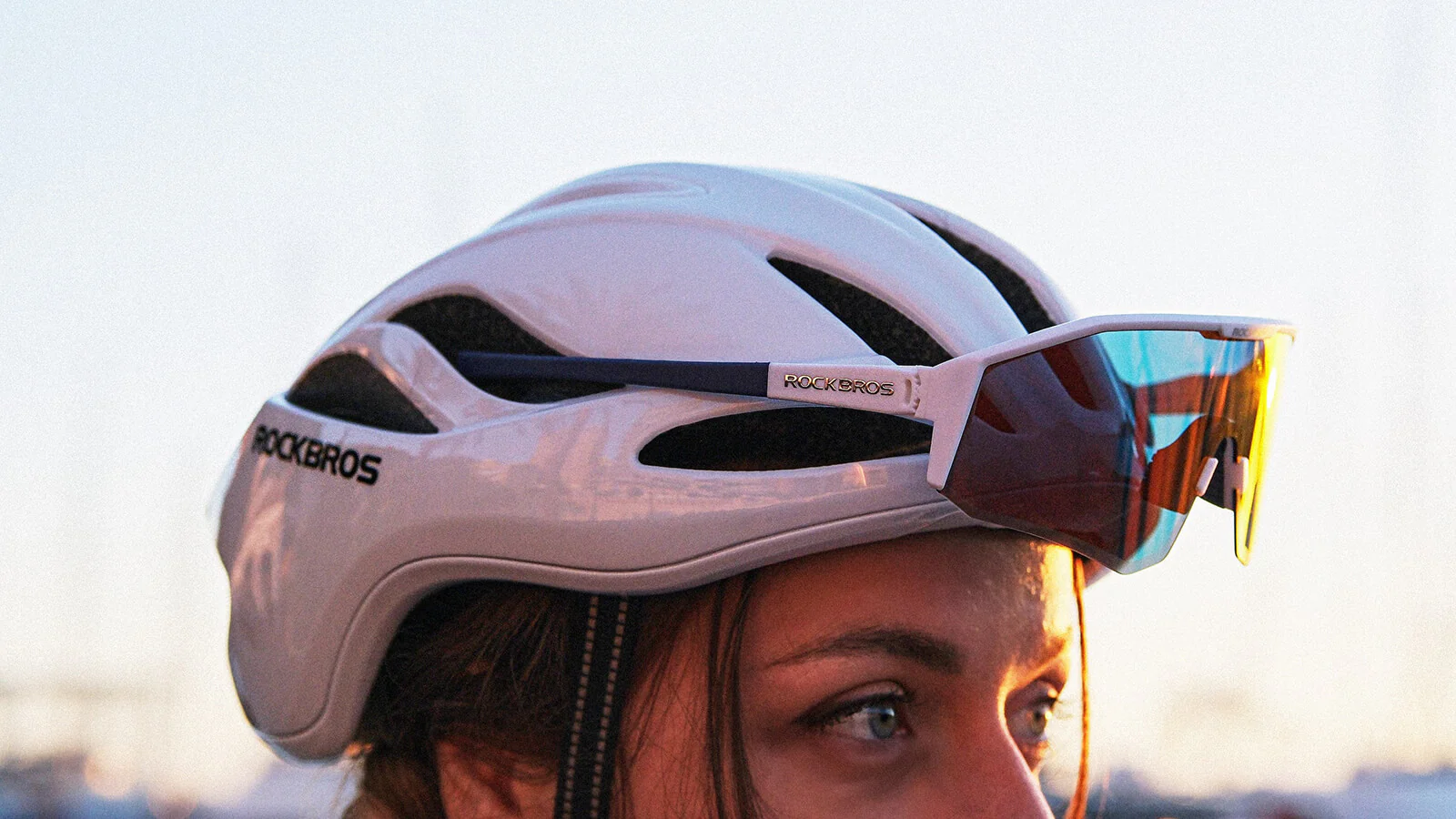
Helmet safety features play a crucial role in reducing the risk of head injuries and saving lives on the road. Far more than just an accessory, a helmet is advanced protective gear designed with materials and technologies that safeguard riders during accidents. From impact resistance to comfort and visibility, these features ensure that every ride is safer and more secure.
1. Impact-Resistant Shell
The outer shell of a helmet is built from strong materials such as polycarbonate, fiberglass, or carbon fiber. Its main function is to disperse the force of an impact, reducing the direct blow to the skull. Premium helmets use composite materials that provide durability without adding extra weight.
2. EPS Liner (Energy Absorbing Foam)
Beneath the shell lies the EPS (Expanded Polystyrene) liner, a thick foam layer that absorbs shock during a crash. It compresses upon impact, protecting the brain from sudden movement and reducing the chances of concussions or traumatic brain injuries.
3. Chin Strap and Retention System
A helmet is only effective if it stays in place during an accident. High-quality helmets feature a strong chin strap with a secure locking mechanism, such as a double D-ring or micrometric buckle, ensuring the helmet doesn’t slip off at critical moments.
4. Ventilation System
Modern helmets include well-designed air vents that allow proper airflow. Good ventilation not only keeps the rider cool but also helps reduce fogging on the visor, improving visibility and safety during rides.
5. Visor with UV and Scratch Resistance
The visor is crucial for clear vision. Advanced helmets use visors with anti-scratch coatings, UV protection, and sometimes even anti-fog technology. Some models feature quick-release systems, making it easy to replace or clean the visor.
6. MIPS Technology (Multi-directional Impact Protection System)
Many premium helmets are now equipped with MIPS, a safety system that reduces rotational forces on the brain during angled impacts. This technology adds an extra layer of protection in real-world accident scenarios.
7. Comfort Padding and Fit
Comfort padding not only enhances the fit but also absorbs sweat and reduces vibrations. Removable and washable liners ensure hygiene, while a snug fit guarantees maximum protection.
8. Reflective Elements
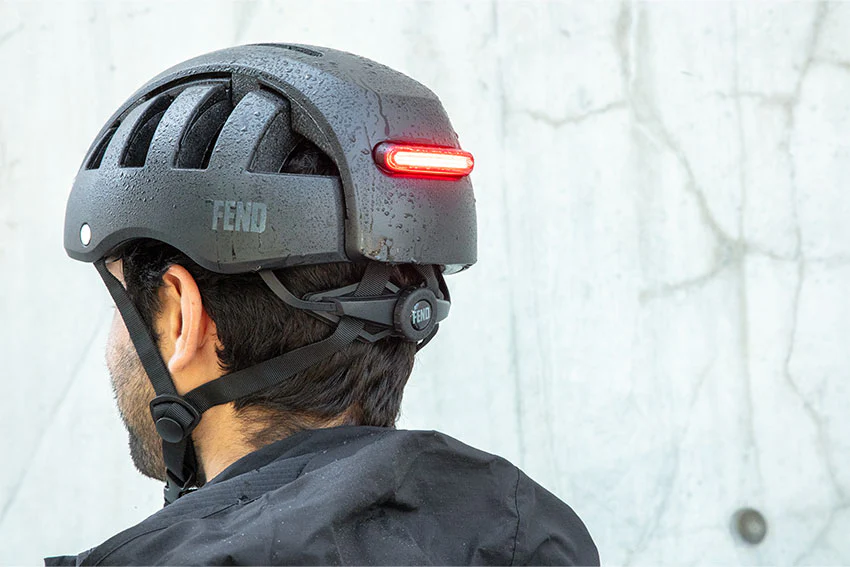
Some helmets include reflective strips or materials that increase visibility at night, making riders more noticeable to other road users and reducing accident risks.
9. Smart Features in Modern Helmets
The latest helmets come with integrated Bluetooth communication systems, GPS support, and crash detection sensors. While these features add convenience, they also contribute to rider safety by enabling hands-free communication and emergency alerts.
Conclusion
A helmet’s safety features are not just about style—they are about survival. Whether you ride a motorcycle, bicycle, or participate in high-impact sports, investing in a helmet with advanced safety features can make the difference between life and death. Always choose certified helmets, ensure a proper fit, and remember: your head deserves the best protection.