English
 Arabic


One of the most common complaints among motorcyclists is excessive noise from wind and traffic while riding. Helmet noise reduction is crucial for creating a more enjoyable and comfortable riding experience. Excessive wind noise not only becomes tiring but can also cause long-term hearing damage if not addressed. Fortunately, there are several ways to minimize helmet noise, making your ride quieter and more enjoyable. In this article, we’ll explore the causes of helmet noise and provide practical tips on how to reduce it for a smoother, quieter ride.
1. Why Helmet Noise is a Problem
Helmet noise primarily comes from the wind rushing over your helmet at high speeds. The turbulence created around your head can lead to loud, constant noise, which may cause:
-
Hearing Fatigue: Long exposure to high levels of noise can cause ear fatigue and even permanent hearing damage over time.
-
Distraction: Wind noise can make it difficult to hear important sounds like engine noises, traffic signals, or emergency sirens.
-
Discomfort: High wind noise can make riding uncomfortable, especially on long trips.
Understanding where this noise comes from is the first step toward finding effective solutions.
2. How to Reduce Helmet Noise: Key Tips
Here are the most effective ways to reduce helmet noise while riding:
1. Choose the Right Helmet
The type and fit of your helmet play a significant role in how much wind noise you experience. Here are some helmet-related tips:
-
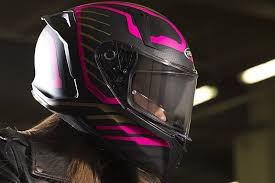
Full-Face Helmets: Full-face helmets offer the best protection and are typically the quietest. Their design fully encloses the head, reducing wind noise and offering better aerodynamics.
-
Helmet Fit: A poorly fitting helmet can increase noise levels, as gaps or loose areas around the neck and chin can allow wind to get in. Make sure your helmet fits snugly and securely to minimize wind intrusion.
-
Aerodynamic Design: Helmets with an aerodynamic design (like those with smooth, rounded edges) reduce turbulence and noise caused by air resistance. Avoid helmets with sharp edges or vents that create drag.
2. Wear a Balaclava or Neck Buff
Wearing a balaclava, neck buff, or other protective fabric around your neck and face can help reduce noise. These soft materials not only keep you warm but also prevent wind from entering the helmet through the neck area, which is a common source of noise. They also reduce the “whistle” sound that can occur when wind flows around the edges of your helmet.
3. Use Earplugs
Earplugs are an inexpensive and highly effective solution for reducing helmet noise. They help block out a significant portion of wind and road noise, allowing you to focus on the road ahead. Here’s how to make the most out of earplugs:
-
Custom-Fit Earplugs: Consider getting custom-fitted earplugs designed for motorcyclists. These earplugs are made to fit the shape of your ear and provide better noise isolation.
-
Foam Earplugs: High-quality foam earplugs can also be a cost-effective way to reduce noise. Choose ones that are comfortable for long periods of wear and do not interfere with your hearing of critical sounds like sirens or horns.
4. Install a Wind Deflector or Chin Curtain
A chin curtain is a piece of fabric or foam that attaches to the bottom of the helmet, sealing the chin area. This accessory helps reduce wind from rushing into the helmet through the chin bar, which can significantly reduce noise.
Wind deflectors (often available for modular or full-face helmets) are another useful accessory. They attach to the front of your helmet and redirect airflow away from the helmet’s vents, which can help minimize wind turbulence and reduce overall noise levels.
5. Adjust Your Helmet’s Ventilation System
Many helmets come with adjustable vents that allow you to control airflow. While ventilation is important for keeping cool, excessive airflow can lead to increased wind noise. Here’s how to adjust ventilation for a quieter ride:
-
Close Unused Vents: If you’re riding in cold or calm conditions, close any vents that are unnecessary. This reduces airflow and prevents wind from rushing through the helmet.
-
Use the Vents Sparingly: In warmer weather, open the vents just enough to provide airflow but avoid excessive air entering the helmet, which could cause noise.
-
Check Vent Placement: Some helmets have vents placed in areas where they increase turbulence. A well-designed helmet will have vents that reduce noise, so it’s worth investing in a helmet with a well-placed ventilation system.
6. Upgrade to a Quieter Visor
The visor or face shield on your helmet plays a significant role in wind noise. Over time, visors can become scratched or worn, which increases noise due to poor aerodynamics. Here’s what you can do:
-
Use an Anti-Fog or Aerodynamic Visor: Anti-fog visors not only reduce fogging but can also improve the helmet’s aerodynamics, leading to reduced noise.
-
Replace Worn or Scratched Visors: If your visor is scratched or worn, replace it. Scratches can create turbulent airflow, increasing the noise level.
7. Consider Noise-Canceling Headsets or Bluetooth Systems
For riders who enjoy music or communication while riding, investing in a noise-canceling Bluetooth headset can help reduce the effects of wind noise. High-quality headsets come with noise-canceling features that filter out the wind and other unwanted sounds. These systems are especially useful for riders who want to listen to music, take calls, or communicate with fellow riders.
8. Check Your Riding Position
Sometimes, helmet noise can be reduced by adjusting your riding position. A more upright position or adjusting your helmet’s angle can change the way wind hits the helmet. Try different riding postures to find one that minimizes noise.
-
Avoid Turning Your Head Frequently: Frequently turning your head or riding at an angle where the wind hits the helmet directly can increase noise. Try to keep your head facing forward as much as possible to reduce turbulence.
3. Helmet Maintenance for Noise Reduction
Proper helmet care and maintenance can also help keep noise levels down:
-
Clean Your Helmet Regularly: Dirt and debris on the visor or vents can disrupt airflow, creating noise. Regularly clean the visor and other parts of your helmet.
-
Replace Worn Out Parts: Over time, the seals around your helmet’s chin or face shield can degrade. Make sure to replace these parts when necessary to keep your helmet functioning properly.
4. Popular Helmets Known for Noise Reduction
Some helmet brands are known for their exceptional noise reduction features. If you’re looking for a new helmet, consider these top picks:
-
Shoei Neotec 2: This modular helmet is known for its quiet design, excellent fit, and comfort. Its aerodynamics and soundproofing materials make it one of the quietest modular helmets available.
-
Arai RX-7V: Arai helmets are known for their high-quality craftsmanship and noise reduction. The RX-7V has a smooth shape and excellent ventilation, which minimizes wind noise while riding.
-
Schuberth C3 Pro: The Schuberth C3 Pro is an ultra-quiet helmet with a tight, aerodynamic design. It features excellent wind noise reduction, making it a favorite among long-distance riders.
Conclusion: A Quieter Ride Awaits
Reducing helmet noise is essential for improving comfort, safety, and focus while riding. Whether you choose to upgrade your helmet, invest in accessories like earplugs or a chin curtain, or adjust your riding posture, there are plenty of ways to cut down on noise. By following these tips, you’ll be able to enjoy a quieter ride, making your motorcycling experience more enjoyable and less tiring.