English
 Arabic


Starting your motorcycle journey is exciting, but choosing the right helmet is essential for safety, comfort, and overall riding experience. As a beginner, finding the perfect helmet might feel overwhelming with so many options available. This guide will walk you through the key considerations to help you choose the best motorcycle helmet for beginners, ensuring that you stay safe, comfortable, and stylish on the road.
1. Why a Good Helmet Matters for Beginners
As a beginner rider, your helmet is your first line of defense against injury. Not only does a motorcycle helmet protect your head in the event of a crash, but it also helps reduce fatigue and distractions while riding. The right helmet will:
-
Protect your head: The primary purpose of any helmet is to protect your head from injury. Look for helmets that meet safety standards like DOT (Department of Transportation) or ECE (Economic Commission for Europe) certification.
-
Increase comfort: Long rides can cause discomfort without a well-fitting helmet. Features like padding, ventilation, and a snug fit can make a big difference.
-
Reduce wind noise: Riding without a helmet or with a poorly fitting one can expose you to wind noise, which can be distracting. A well-designed helmet helps keep your focus on the road.
For a beginner, a good helmet is an investment in both your safety and enjoyment.
2. Key Features to Look for in a Beginner’s Motorcycle Helmet
When choosing a helmet, there are a few key features you should consider to ensure it meets your needs as a beginner:
1. Safety Certifications
The first thing you should check is whether the helmet is safety-certified. Look for helmets that have:
-
DOT Certification (USA): This ensures the helmet meets basic safety standards set by the Department of Transportation.
-
ECE Certification (Europe): The ECE standard is also commonly recognized globally and offers additional safety features.
-
Snell Certification: This certification offers an even higher level of testing, though it’s not always necessary for everyday riding.
For beginners, focusing on DOT or ECE certifications is a good start.
2. Helmet Type
There are several types of motorcycle helmets, and each serves a different purpose. As a beginner, you’ll want to choose one that offers both comfort and safety:
-
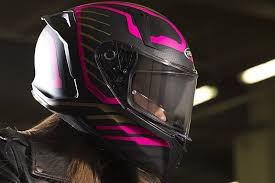
Full-Face Helmets: The most protective option, covering the entire head and face. Great for beginners as they offer full protection against wind, debris, and impacts.
-
Modular Helmets: These helmets have a flip-up chin bar, making them versatile for both street riding and occasional stops when you need to talk or get some fresh air.
-
Open-Face Helmets: While these helmets offer less protection than full-face options, they are great for short commutes and warmer climates. However, they don’t cover the chin or jaw.
-
Half Helmets: Best for riders who want minimal coverage. Though they are lightweight, they offer the least protection and are not recommended for beginners.
3. Fit and Comfort
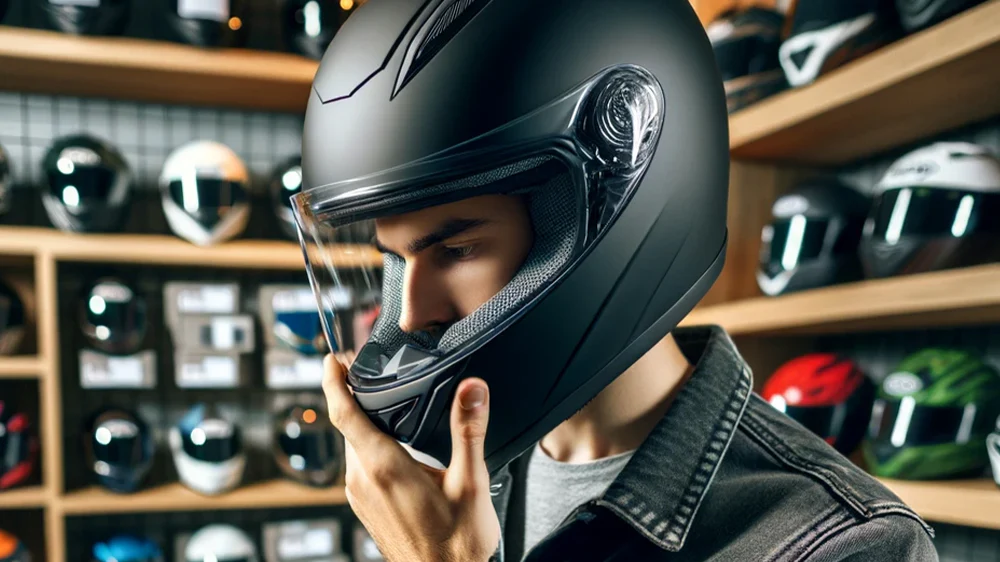
A helmet should feel snug but not too tight. Here’s what to look for:
-
Snug Fit: The helmet should fit snugly on your head without feeling uncomfortable or causing pressure points. It shouldn’t move around when you shake your head.
-
Padding and Liner: The internal padding should be soft but firm enough to provide a cushion during impacts. Look for removable and washable liners for easy maintenance.
-
Chin Strap: Make sure the chin strap is adjustable and secure. The helmet should stay in place when you fasten the strap.
4. Ventilation and Airflow
Proper ventilation helps prevent your helmet from becoming too hot or foggy. A well-ventilated helmet will:
-
Reduce heat buildup during long rides, keeping you comfortable.
-
Prevent visor fogging, especially in cold or humid conditions.
Make sure the helmet has adjustable vents and that airflow is sufficient to keep you cool.
5. Weight
As a beginner, it’s important to consider how heavy your helmet is, as you’ll be wearing it for long periods. Look for a lightweight helmet that doesn’t compromise on safety features. A heavier helmet can cause neck strain, especially for new riders.
3. Popular Motorcycle Helmets for Beginners
Here are a few beginner-friendly motorcycle helmets known for their safety, comfort, and affordability:
1. HJC CL-17 Full-Face Helmet
The HJC CL-17 is a popular choice for beginners due to its affordability and excellent protection. It features:
-
DOT certification for safety.
-
A comfortable, moisture-wicking interior.
-
Adjustable ventilation for better airflow.
-
A lightweight design, reducing neck fatigue.
This helmet offers a perfect combination of comfort and safety, making it ideal for new riders.
2. Bell Qualifier Full-Face Helmet
Bell is a trusted brand in the motorcycle industry, and the Bell Qualifier is a great entry-level helmet. Features include:
-
DOT certification.
-
A removable and washable liner for easy cleaning.
-
A solid, aerodynamic design to reduce wind noise.
-
A wide range of colors and styles to suit any rider’s personality.
This helmet provides excellent protection and comfort for beginners at a reasonable price.
3. Shark Skwal 2 Full-Face Helmet
For riders who want something with more style and technology, the Shark Skwal 2 is an excellent option. Features include:
-
DOT and ECE safety certifications.
-
Built-in LED lights for added visibility at night.
-
A fully integrated, anti-fog visor system.
-
Comfortable padding and ventilation for all-day riding.
The Shark Skwal 2 is a step up in terms of features while remaining beginner-friendly.
4. LS2 Helmets OF569 Breaker Open-Face Helmet
For riders who prefer the open-face style, the LS2 OF569 is a great choice. It offers:
-
DOT certification.
-
A lightweight design, making it ideal for short commutes.
-
A comfortable and breathable interior.
-
A retro style with modern safety features.
This open-face helmet is a good choice for beginners who prefer a minimalist design.
4. How to Properly Maintain Your Motorcycle Helmet
Maintaining your helmet is key to ensuring it lasts longer and continues to provide the necessary protection. Here are a few tips for helmet care:
-
Clean the interior regularly: Remove the liner and wash it according to the manufacturer’s instructions.
-
Keep the visor clean: Use a microfiber cloth to clean the visor, avoiding harsh chemicals that may damage the surface.
-
Store it properly: Always store your helmet in a cool, dry place, away from direct sunlight, and avoid throwing it around.
-
Replace when necessary: Helmets are designed to absorb impact during crashes. If your helmet has been in a crash or is over 5 years old, it’s time to replace it.
Conclusion: Choosing the Right Helmet for Beginners
When it comes to selecting the right helmet as a beginner rider, safety, comfort, and fit should be your top priorities. Whether you choose a full-face, modular, or open-face helmet, make sure it meets safety standards, fits securely, and provides the features you need for a comfortable riding experience. With the right helmet, you’ll be well on your way to enjoying your motorcycle journey while staying safe on the road.